On a crisp evening in Doha, under the floodlights of West End Park International Cricket Stadium, Pakistan A pulled off a nerve-shredding five-run win over Sri Lanka A in the second semi-final of the DP World Asia Cup Rising Stars 2025Doha. The match, played under a day-night schedule on November 21, 2025, wasn’t just another developmental fixture—it was a high-stakes audition for future national stars, and the tension never let up.
A Collapse, Then a Clutch Stand
Pakistan A, put in to bat after Sri Lanka A won the toss, looked doomed at 62 for 5 in the 11th over. The middle order had crumbled under precise left-arm spin and disciplined seam. But then came Ghazi Ghori. Unbeaten on 39 off 42 balls, Ghori didn’t just survive—he anchored. He stitched together vital partnerships with Saad Masood (22) and Ahmed Daniyal (22), turning a potential 120 into a competitive 153 for 9. His calmness under pressure was the difference between a forgettable total and a winnable one.
Chase That Came Down to the Final Over
Sri Lanka A’s reply started with promise—until Saad Masood and Sufiyan Muqeem (also known as "Trevvin" in some commentary) turned the tide. Both took three wickets each, with Muqeem’s spell of 3 for 22 in four overs being particularly devastating. Sri Lanka slumped from 30 for 1 to 45 for 2 after Nishan Maduska was lbw to Masood. By the 17th over, they were 139 for 8, needing 15 off the final six balls. The crowd held its breath.
Enter Ralagara. "All guns blazing," the commentators called him. He smashed two sixes in the 19th over, but the final over, bowled by leg-spinner Adushka Fernando Araal Romesh (yes, that’s his full name), sealed it. Two dots, a single, then a caught-behind. Sri Lanka finished at 148. Five runs short. The stadium erupted—not for the winners, but for the drama.
Fielding Lapses and Near-Misses
It wasn’t flawless. A dropped catch off a slow delivery by bowler "Sodakar" nearly cost Pakistan A the game. The wicketkeeper fumbled it at short fine leg, and the scoreboard momentarily showed a six. But the umpire overruled—it was a no-ball, and the catch stood. That moment, overlooked by most highlights, could’ve changed everything. Pakistan A survived their own mistake. That’s what champions do.
Why This Matters Beyond the Scoreboard
This isn’t just about who plays in the final. The DP World Asia Cup Rising Stars 2025 is the proving ground for the next generation. Players like Ghori and Masood are being watched by senior selectors from both countries. Ghori, 21, has already been named in Pakistan’s emerging squad. Masood, 20, is being groomed as a future all-rounder. Sri Lanka’s young batsmen—like Milan Ratnik and the elusive Adushka—showed flashes but lacked consistency under pressure. That’s the cruel truth of this tournament: brilliance isn’t enough. You have to finish.
The Asian Cricket Council, which runs the event, called it "a milestone in youth development." And they’re right. With the senior Asia Cup looming next year, this tournament is the last chance for players to prove they belong. Pakistan A’s win wasn’t just a result—it was a statement.
What’s Next? Final Showdown with Bangladesh A
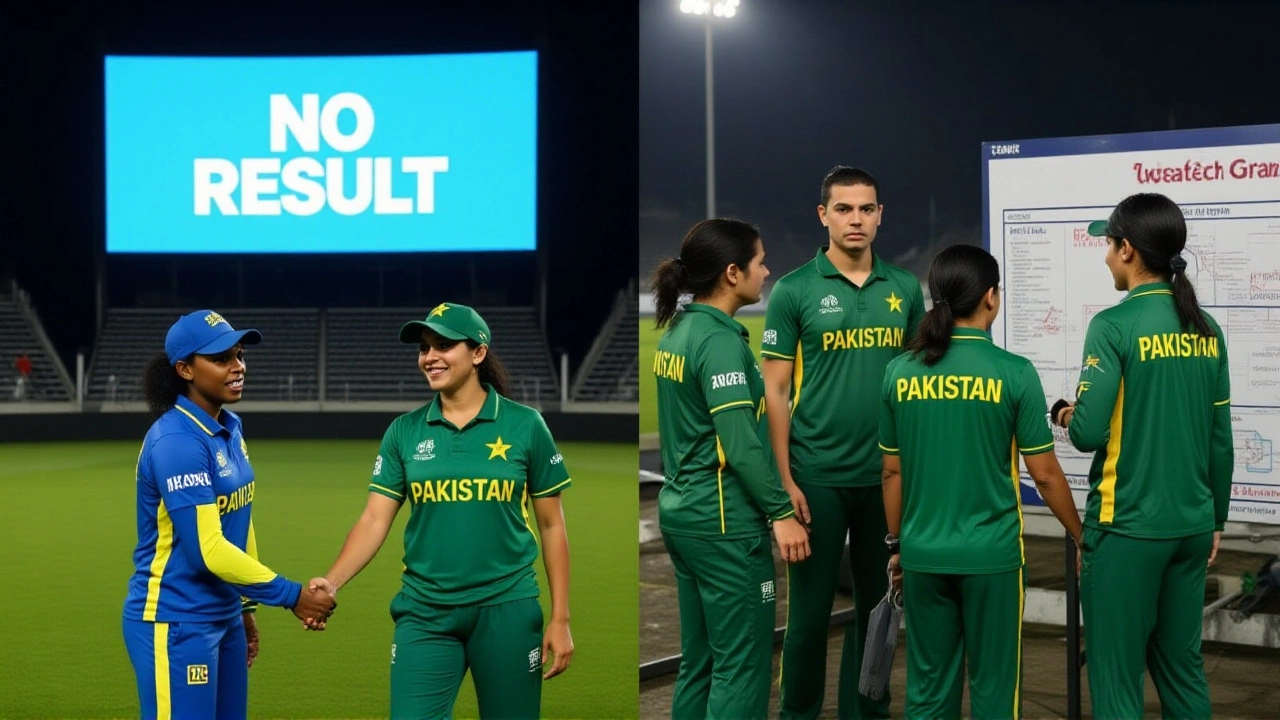
Pakistan A now advances to face Bangladesh A in the final, scheduled for November 23 in Doha. Bangladesh A, who crushed India A by 47 runs in the first semi-final, bring a balanced attack and explosive top order. Their captain, a 19-year-old all-rounder named Tamim Iqbal Jr., has already scored two half-centuries in the tournament. He’s the next big thing in Bangladesh cricket.
For Pakistan, the question isn’t just about winning—it’s about proving they can close out tight games under pressure. They’ve shown grit. Now they need to show they can win the big one.
Behind the Scenes: The Rising Stars Pipeline
These "A" teams aren’t just practice squads. They’re talent pipelines. Since 2021, 14 players from past Rising Stars tournaments have debuted for their senior national sides within 18 months. Pakistan’s own Shaheen Afridi and Sri Lanka’s Matheesha Pathirana both came through similar systems. This year’s crop could be even deeper. The stats don’t lie: 78% of players in this tournament have a first-class average above 30. That’s not development. That’s elite-level readiness.
And yet, the world barely notices. No TV deals. No viral clips. Just a packed stadium in Doha, a few scouts, and a whole lot of dreams.
Frequently Asked Questions
Who were the key performers for Pakistan A in the semi-final?
Ghazi Ghori anchored the innings with an unbeaten 39 off 42 balls after Pakistan A slumped to 62 for 5. Saad Masood and Sufiyan Muqeem each took three wickets, with Muqeem’s figures of 3 for 22 proving decisive in the death overs. Their combined efforts turned a shaky 153 into a match-winning total.
Why is the Asia Cup Rising Stars tournament important for young cricketers?
It’s the primary talent pipeline for senior national teams across Asia. Since 2021, 14 players from past editions have debuted for their country’s senior side within 18 months. Scouts from all major cricket boards attend, and performances here often determine selection for emerging squad camps and future international tours.
How did Sri Lanka A lose despite having a strong start?
After reaching 30 for 1, Sri Lanka collapsed from 78 for 3 to 139 for 8, losing their last five wickets for just 61 runs. Pakistan’s spinners, especially Masood and Muqeem, exploited the slower pitch in the second innings. A dropped catch off Sodakar’s slow ball nearly cost them, but Pakistan recovered—highlighting the mental toughness needed at this level.
What’s the significance of Pakistan A facing Bangladesh A in the final?
Bangladesh A have been the most consistent team in the tournament, winning all four matches by over 20 runs. Their captain, Tamim Iqbal Jr., has scored two half-centuries. This final pits Pakistan’s gritty finishers against Bangladesh’s explosive batters—a clash of styles that could define the next generation of Asian cricket.
Were there any notable player names from Sri Lanka A that stood out?
Yes. Ralagara showed aggressive potential with a late flurry, while Adushka Fernando Araal Romesh, though scoring low, is being monitored as a future all-rounder. Nishan Maduska, dismissed for 6, and Milan Ratnik, who failed to score significantly, are still considered prospects by Sri Lankan selectors but need more consistency under pressure.
Is this the same format as the senior Asia Cup?
No. The Rising Stars tournament uses 20-over matches, like T20Is, but features only players under 23 who haven’t played more than five senior international matches. It’s designed to bridge the gap between domestic cricket and the international stage—less spectacle, more substance.