While global markets jittered over geopolitical tensions and soaring crude costs, drivers across India found a rare moment of calm on May 14, 2026. The country’s major fuel retailers decided to keep petrol and diesel prices unchanged, offering a brief respite from inflation despite international benchmarks swinging wildly.
The decision came as Indian Oil Marketing Companies (IOMCs), including state-run giants like Indian Oil Corporation, Bharat Petroleum, and Hindustan Petroleum, opted for stability over immediate profit. It’s a strategic pause in a market that has been anything but steady. Here’s the thing: while the pump price stayed flat at 6 a.m., the underlying forces pushing global energy costs higher were already building pressure for future hikes.
Global Markets in Turmoil
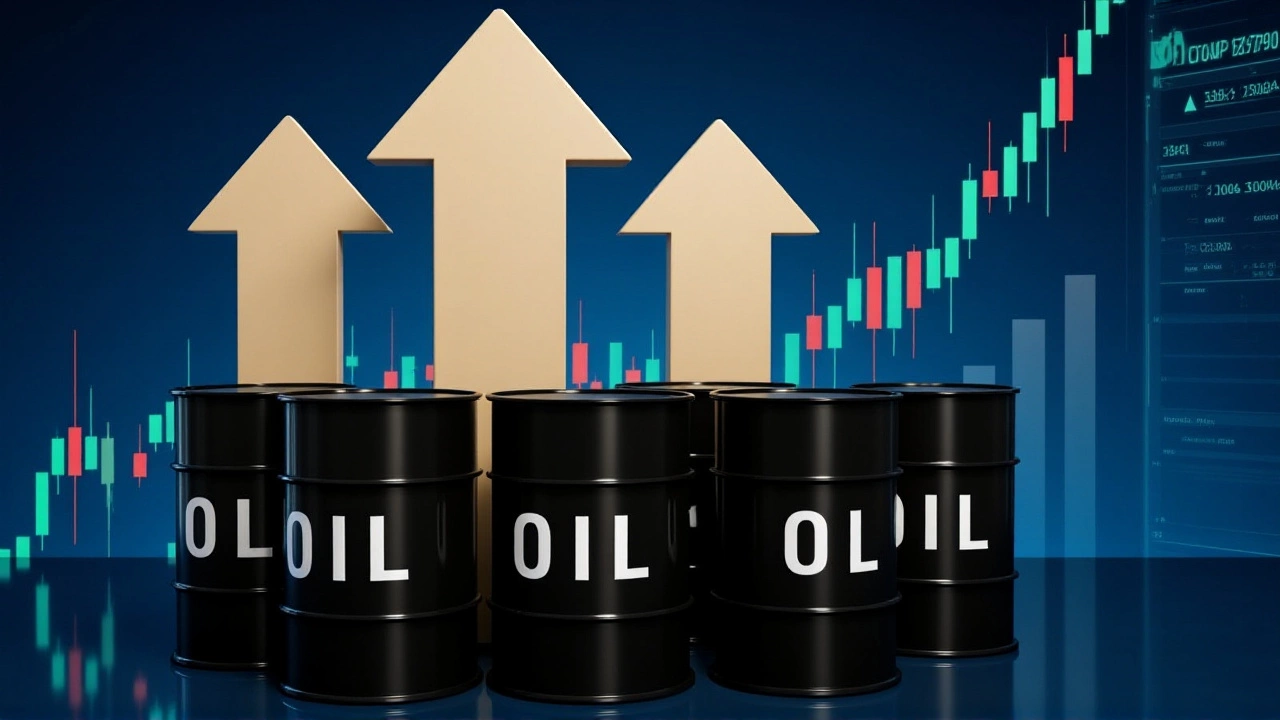
The backdrop to this domestic stability is a volatile international scene. On May 13, 2026, crude oil traded at $105.93 per barrel. By the next day, it dipped slightly to $105.75. But don’t let that small drop fool you—the trajectory was sharply upward. By May 15, prices had surged to $109.00 per barrel, a jump of $3.25 in just 24 hours.
This volatility isn’t random. It’s tied directly to escalating tensions between the United States and Iran. Reports indicate that threats issued by Donald Trump, President of the United States, regarding potential sanctions or military action in the Middle East sent shockwaves through trading floors worldwide. At one point, Brent Crude breached the $126 per barrel mark—the highest level seen since March 2022, when the war in Ukraine first disrupted supply chains.
Traders watched nervously as the WTI May ’26 contract (CLK26) climbed to $92.13, up 2.52 points in a single session. The fear of a blockade in the Strait of Hormuz, which handles roughly 20% of the world’s oil supply, kept buyers on edge. When supply fears spike, prices follow—fast.
Why India Held Steady
So why didn’t Indian pumps reflect this chaos immediately? The answer lies in political calculus and consumer protection. With petrol prices hovering near ₹100 per liter in many cities, any further increase could trigger public unrest. IOMCs have been absorbing some of the cost shock, likely aiming to avoid adding to the inflation burden during an already sensitive economic period.
As of early May, here’s what commuters were paying:
- New Delhi: Petrol ₹94.77, Diesel ₹87.67
- Mumbai: Petrol ₹103.50, Diesel ₹90.03
- Kolkata: Petrol ₹105.45, Diesel ₹92.02
- Chennai: Petrol ₹100.93, Diesel ₹92.48
- Bengaluru: Petrol ₹102.92, Diesel ₹90.99
- Gurugram: Petrol ₹95.65, Diesel ₹88.10
- Noida: Petrol ₹94.74, Diesel ₹87.81
- Bhubaneswar: Petrol ₹101.16, Diesel ₹92.74
- Chandigarh: Petrol ₹94.30, Diesel ₹82.45
These figures, reported by outlets like NDTV and Earnvids.in, show significant regional variation due to different state taxes. Yet, across the board, the lack of change on May 14 was notable. It suggests a coordinated effort to stabilize the market temporarily.
The Hike Is Coming
But wait—the relief was short-lived. Just one day later, on May 15, 2026, IOMCs implemented a sharp increase of ₹3.00 per liter for both petrol and diesel. Then, on May 19, another hike of 90 paise followed. This pattern reveals how daily pricing mechanisms work: companies review global crude averages, exchange rates, and dealer margins every morning before 6 a.m.
Experts warn that if geopolitical tensions persist, these incremental hikes could become larger jumps. The current strategy appears to be “absorb and delay,” but there’s a limit to how much loss oil marketing companies can sustain. If Brent crude stays above $120, expect more frequent revisions.
What This Means for Consumers
For the average Indian household, this means budgeting for higher transport and logistics costs. Transport fares, food delivery charges, and even manufacturing inputs are linked to diesel prices. A sustained rise in crude translates directly into broader inflation.
The government faces a tough balancing act. Subsidizing fuel hurts fiscal health; passing costs to consumers risks social stability. For now, they’re walking the line—but the ground is shifting beneath their feet.
Frequently Asked Questions
Why did petrol prices remain unchanged in India on May 14, 2026?
Indian Oil Marketing Companies (IOMCs) chose to keep prices stable to shield consumers from immediate inflationary pressure, despite global crude fluctuations. This temporary freeze allowed them to absorb initial cost shocks without passing them on to retail customers right away.
How did Donald Trump's actions affect global oil prices?
Threats of sanctions or conflict with Iran raised fears of supply disruptions in the Middle East. This uncertainty drove Brent Crude past $126 per barrel, as traders priced in the risk of reduced output from key producing regions.
When will petrol prices go up again in India?
Prices are revised daily at 6 a.m. based on global trends. After holding steady on May 14, hikes of ₹3.00 and 90 paise occurred on May 15 and May 19 respectively. Future increases depend on sustained high crude levels and currency exchange rates.
Which city had the highest petrol price in India in May 2026?
As of early May data, Kolkata recorded one of the highest petrol prices at ₹105.45 per liter, followed closely by Chennai at ₹100.93 and Mumbai at ₹103.50. Prices vary significantly due to differing state tax structures.
Is this oil price surge similar to previous years?
Yes, the current Brent Crude levels exceeding $126 recall the spikes seen after March 2022 during the Ukraine crisis. However, the driver this time is primarily geopolitical tension involving Iran rather than direct war-related supply cuts.